
About This Generator
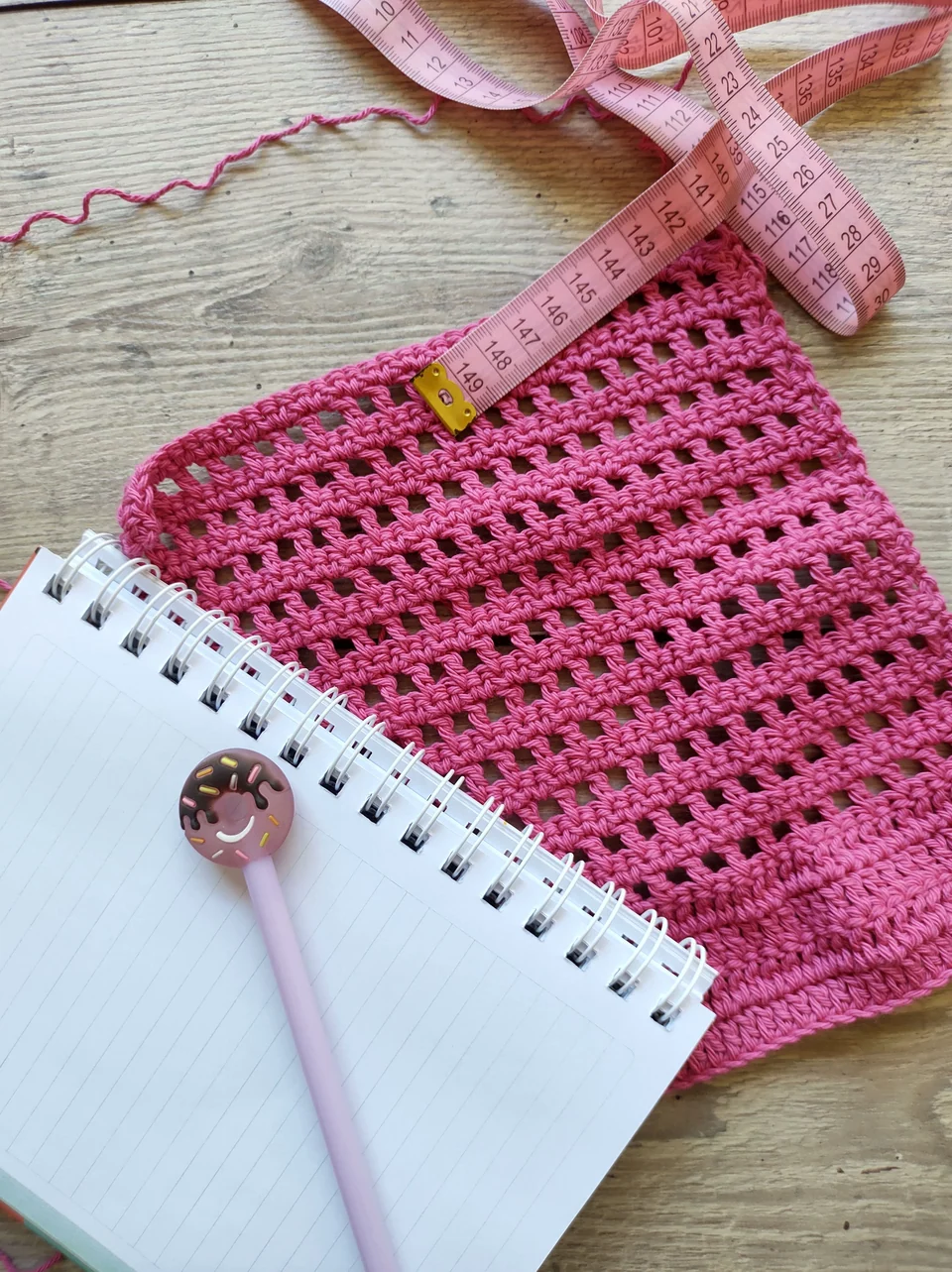
The Yarn and Project Calculator estimates yarn length from a measured piece of fabric made in the intended construction. It connects the area you plan to make with the yarn actually consumed by a known swatch, adds a chosen allowance, and rounds the purchase to whole balls. Use it to compare measured fabrics or budget a simple project area. It cannot derive universal yarn consumption from a stitch name, ball weight, or a photograph alone.
How to Use This Generator
Project width and Project height are physical dimensions in centimeters. Measured swatch area is the actual area represented by your yarn measurement, in square centimeters. Measured swatch yarn is the length consumed by that area, in meters. Length per ball is the usable labeled length of the yarn you plan to buy. Extra allowance is a percentage added to the unadjusted estimate. Gauge records stitches per ten centimeters for construction planning; it does not replace measured consumption in the length formula.
Use finite positive measurements and the displayed supported limits. The calculator rejects invalid or numerically unsafe combinations rather than returning an infinite shopping quantity. Generate updates the estimate, calculation explanation, and whole-ball result. Save project for a local measurement record, or export JSON to preserve the inputs outside the browser. An SVG or printed PDF can accompany the swatch and yarn label. Keep a separate note of washing, blocking, yarn, hook, and measurement method so another estimate can be compared fairly.
Understanding the Crochet Pattern
Area scaling assumes that the project fabric behaves like the measured sample. A dense single crochet panel, an open filet fabric, and a textured post-stitch section can consume different lengths for the same outside area. Measure each materially different construction separately when it occupies a substantial part of the project. Borders, seams, fringe, tassels, sampling, and repairs may need their own budgets rather than being concealed inside an unexplained percentage.
Gauge and consumption answer different questions. Stitch gauge helps convert a physical width into an approximate stitch count. Consumption tells you how many meters were used to create a measured area. Two fabrics can share a stitch gauge while differing in row height, thickness, or yarn usage. Entering a familiar gauge value without measuring yarn does not establish a trustworthy length estimate.
How the Generator Works
The rectangular project area is width multiplied by height. Divide it by the measured swatch area to obtain the scale factor, then multiply by the measured swatch yarn length. Multiply that base estimate by one plus the extra percentage divided by one hundred. Finally, divide the adjusted length by the length per ball and round upward to a whole number. The extra yarn supplied by whole-ball rounding is separate from the percentage allowance already included in the estimate.
Step-by-Step Worked Example
Enter a project thirty centimeters wide and forty centimeters high, a swatch area of one hundred square centimeters, and twenty-five meters consumed by that swatch. Choose a ten percent allowance and balls containing 120 meters. The project area is 1,200 square centimeters, twelve times the swatch area. The base estimate is twelve times twenty-five, or 300 meters. Adding ten percent gives 330 meters. Dividing by 120 gives 2.75 balls, which rounds upward to three. Those balls supply 360 meters, thirty more than the adjusted estimate. That final thirty is a purchasing remainder, not another ten percent added to the project formula.
Download this worked example as JSON. Restore it in this generator to compare the actual counts and structure.
Practical Tips
Use enough swatch area that an uncertain edge or short tail does not dominate the measurement. Keep the sampled fabric and its consumption definition consistent: do not measure an entire ball's length against only part of the resulting swatch area. Record whether the swatch itself will remain separate from the final project. Compare estimates made from the same finishing state. For several colors, estimate their actual construction workloads or measured areas separately, then round purchases by color rather than rounding a combined total once.
Common Mistakes and Solutions
The estimate is implausibly small or large
A unit mismatch is a common cause. Check centimeters against meters, verify that the swatch field is area rather than side length, and recompute the scale factor independently.
Changing gauge does not change the meter result
That is intentional in this measured-consumption model. Gauge is recorded for construction decisions; the area and measured yarn length determine consumption.
A nonrectangular project is overestimated
Its bounding rectangle may include space that will never become fabric. Establish a defensible equivalent area for the actual shape, document that conversion, and budget any distinct edge construction separately.
Second Reproducible Application
Use this comparison to check how one input changes the yarn & project calculator output. Enter width = 31; height = 40; swatchArea = 100; swatchLength = 25; ballLength = 120; waste = 10; gauge = 20. Keep any grid and color data from the downloadable worked example unchanged. Generate again and compare the result with the first example above. The estimate is 341 units of yarn length and 3 balls. Keep the length units consistent with the swatch and ball inputs. This comparison was executed with the site's engine; it is a numerical construction check rather than a claim about physical gauge. Save both settings separately if you want to compare them later.
Related Tools and Guides
The Tools directory at /generators/ lists the available generators. Use the linked examples on this page to study the same construction with different inputs, and the Guides directory at /guides/ for supporting reading. Check terminology and measured gauge before combining output from different tools.
Frequently Asked Questions
Can I enter grams instead of meters?
The current fields use yarn length. Convert consistently using trustworthy measurements or label information before entering the value; do not mix a weight with a length-based ball field.
Does the result include the test swatch automatically?
Only the area and allowances represented by your inputs are included. If the swatch remains separate, decide explicitly whether to budget its yarn in addition to the project.
Why is the number of balls rounded upward?
You need enough whole balls to cover the adjusted length. Rounding downward can leave less yarn than the estimate even before real-world variation.
Can one percentage cover every border and seam?
A percentage is an assumption, not a construction model. Calculate substantial borders or different fabrics independently when their measured behavior differs from the center.
Is this a guaranteed shopping quantity?
It is an estimate based on your measurements and assumptions. Real tension, finishing, waste, dye availability, and construction changes still need to be considered before buying materials.